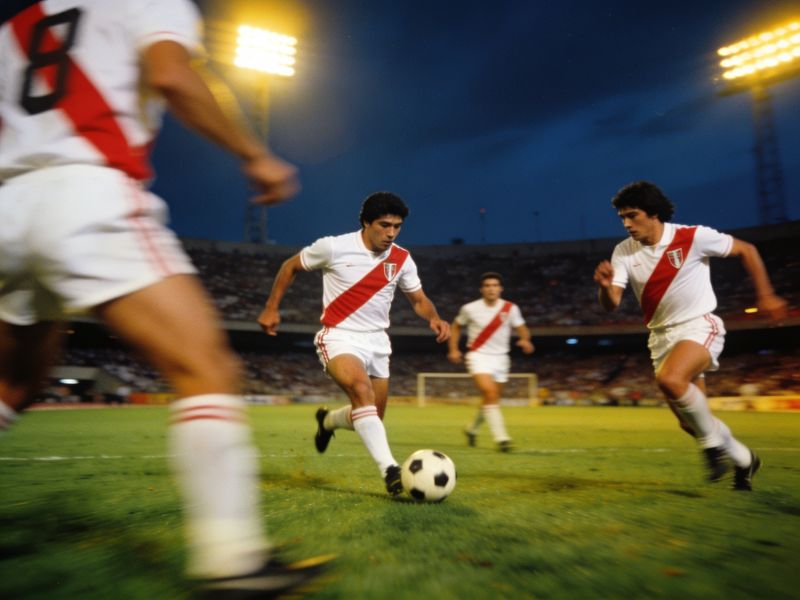
Del Piero’s Juventus career, World Cup triumph and lasting influence on Italian football.
Del Piero remains one of the defining figures in Juventus history, a player whose influence reached far beyond goals。trophies and a famous shirt number. When he joined the Turin club from Padova in 1993, he was a gifted teenager with quick feet and an instinct for the final pass. Within a few seasons, Del Piero had become the face of a powerful Juventus side and one of the most recognisable footballers in Europe. His curled free kicks, low finishes into the far corner and calm movement between midfield and attack gave the team an attacking identity that supporters still associate with the club. In Turin, the name Del Piero is not treated as a simple reference to a retired star. It carries the weight of an era.
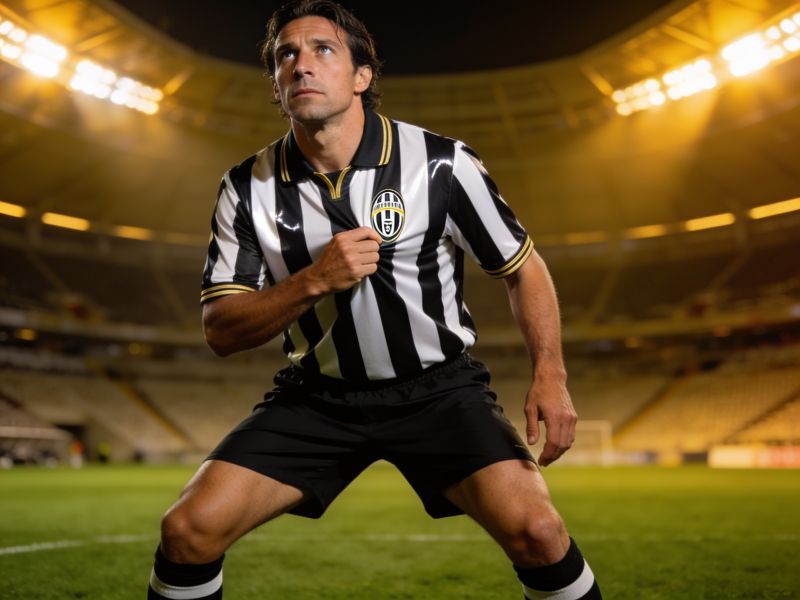
His rise accelerated after the arrival of Marcello Lippi, whose Juventus teams combined defensive discipline with attacking freedom. Del Piero played alongside figures such as Roberto Baggio, Zinedine Zidane。Edgar Davids and Gianluca Vialli, yet he eventually became the central creative force. The 1995-96 Champions League campaign confirmed his status. Juventus defeated Ajax on penalties in Rome, and Del Piero’s technical quality had already helped carry the club through a demanding European season. He was not the loudest player on the field, but defenders were constantly forced to make difficult choices around him. Give Del Piero a yard of space and he could bend the ball beyond the goalkeeper;close him down too aggressively and he could slip a pass into the channel.A serious knee injury in 1998 interrupted what appeared to be the peak of Del Piero’s career. He returned gradually。and the player who came back was less explosive but more inventive. That change became especially clear in the early 2000s, when Del Piero began dropping deeper, combining with midfielders and using his experience to control the tempo. His partnership with David Trezeguet produced one of Serie A’s most efficient attacking combinations. The French striker thrived on sharp service in the penalty area, while Del Piero operated in the spaces defenders struggled to cover. Their understanding was often visible in a single exchange: one touch to draw a centre-back forward, a second to release the runner, and a finish before the defence could reset.The 2006 World Cup added another layer to Del Piero’s public image. Italy’s tournament campaign was shaped by a strong defensive unit, but Del Piero supplied an unforgettable moment in the semi-final against Germany in Dortmund. With extra time nearly over, he collected the ball outside the area and curled a right-footed shot into the far corner, sealing a 2-0 victory in a match already regarded as one of the competition’s great thrillers. Days later, Del Piero converted a penalty in the final shootout against France as Italy lifted the trophy in Berlin. His international career included difficult nights as well as memorable ones。
but the World Cup triumph strengthened his place among Italy’s modern football icons.Del Piero stayed with Juventus through the club’s most painful period, including relegation to Serie B after the 2006 Italian football scandal. That decision mattered to supporters because it turned loyalty into something visible rather than ceremonial. He helped Juventus win the second-division title in 2006-07 and remained at the club during its long rebuilding process. In his final home match in Turin in 2012。Del Piero scored against Atalanta before receiving an emotional farewell from the crowd. He later continued his career with Sydney FC and Delhi Dynamos, but neither move carried the same cultural force as his Juventus years. Del Piero’s appeal has endured because his career combined technical elegance with resilience. Younger fans may know him through archive clips, video games or stories from their parents, yet the image remains clear: Del Piero standing over a free kick, waiting for the wall to move, while an entire stadium held its breath.